When to Use Indicators and Seat Belts: Essential UK Driving Rules
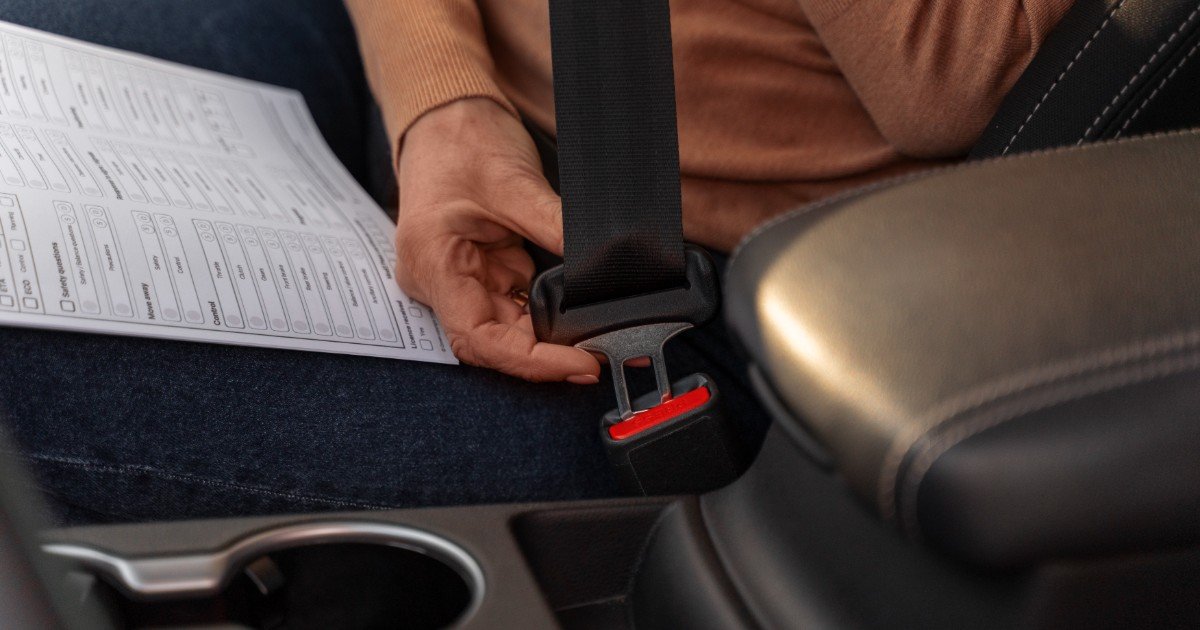
Indicators and seat belts may seem basic, but they are central to safe driving.
An indicator tells other road users what you intend to do. A seat belt protects you and your passengers when something goes wrong. Both appear in the Highway Code, theory-test preparation and everyday driving.
Here is what every UK learner driver should know.
Are indicators compulsory in the UK?
Drivers should give clear signals in good time before changing direction, changing course, stopping or moving off. However, you should not use the indicator automatically without considering the situation.
A signal must be useful, correctly timed and unlikely to mislead another road user.
The Highway Code says drivers should:
- check before signalling;
- signal clearly and in plenty of time;
- cancel the signal after completing the action;
- avoid signals that could confuse others.
For example, if you plan to stop just after a side road, indicating left too early may make another driver think you intend to turn into it.
When should you use your indicators?
You may need to signal when:
- turning left or right;
- changing lanes;
- moving away from the kerb;
- pulling in to stop;
- leaving a roundabout;
- overtaking or returning to your lane;
- changing course where another road user would benefit from a warning.
Always check your mirrors before signalling. The familiar routine is mirrors, signal, manoeuvre - but the signal does not give you priority.
You must still check blind spots, judge speed and distance, and wait when moving would force someone else to brake or change direction.
Common indicator mistakes
Signalling too late
A late signal gives others little time to react. Check your mirrors and signal early enough to communicate your plan.
Signalling too early
An early signal may suggest that you intend to use an earlier junction, driveway or parking space.
Forgetting to cancel
An indicator that remains on can mislead pedestrians, cyclists and drivers. Check that it has cancelled after completing the manoeuvre.
Trusting another vehicle’s signal
An indicator shows intention, not a guarantee. The other driver may have forgotten to cancel it. Wait for clear evidence before moving.
Are seat belts mandatory?
You must wear a seat belt in a car, van or other goods vehicle when one is fitted, unless a limited legal exemption applies.
The driver is responsible for ensuring that children under 14 use the correct seat belt or approved child restraint. Passengers aged 14 and over are generally responsible for wearing their own seat belts.
Seat belts are not only for high-speed journeys. A collision can happen on a short local trip, in slow traffic or close to home.
How should a seat belt fit?
The belt should lie flat rather than twisted.
The diagonal section should pass across the chest and shoulder, not under the arm or behind the back. The lap section should sit low across the hips rather than across the stomach.
Before moving off:
- adjust the seat and head restraint;
- fasten the belt securely;
- ask passengers to fasten theirs;
- make sure children use the correct restraint.
The Highway Code also advises drivers to check that seat belts and other safety equipment work correctly before driving.
Why these rules matter in the theory test
Theory-test questions often check whether you understand safe signalling, passenger responsibility and vehicle preparation.
Do not memorise only one answer. Learn the reason behind the rule:
- indicators communicate intention;
- observations confirm whether it is safe;
- seat belts help protect occupants in a collision;
- child restraints are designed for smaller bodies.
This understanding will also help during your practical lessons and driving test.
Frequently asked questions
Does indicating give me priority?
No. A signal does not give you the right to move. Check that the road is clear and that your action will not cause another person to react suddenly.
Should I signal before checking my mirrors?
No. Check your mirrors first so you understand what is happening before communicating your intention.
Who is responsible for a child’s seat belt?
The driver is responsible for children under 14. Passengers aged 14 and over are generally responsible for themselves.
Build safe habits from the beginning
Good driving is often built from simple actions repeated correctly.
Check before signalling, communicate clearly, never assume that an indicator gives priority and make sure everyone is safely restrained before moving.
These habits can help you answer theory-test questions and become a calmer, more predictable driver.
When you are preparing for the practical stage, read SlotSwap’s Driving Test Day Checklist to make sure your documents, vehicle and final preparation are ready.
All You Need In One App
START PRACTISINGAlready passed your theory? Swap your practical driving test date for a sooner one — free, and without losing your place in the queue.