Why Night Driving Practice Is Essential for New Drivers (UK Guide 2026)
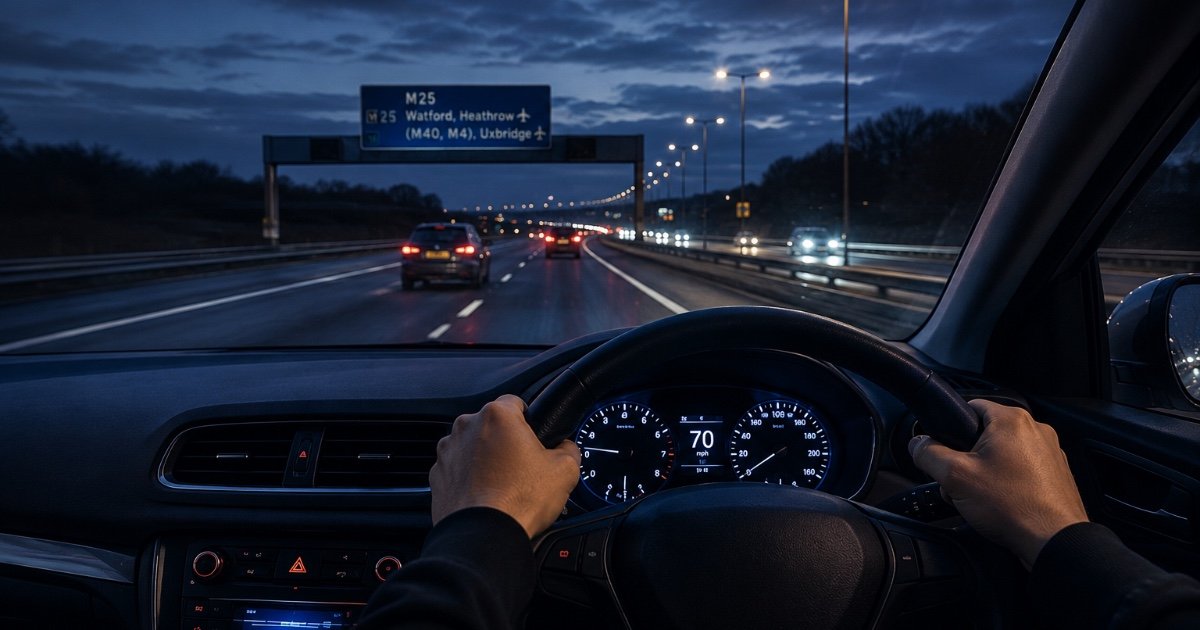
Why Neglecting Nighttime Driving Practice Might Endanger You
Driving is a skill that requires constant learning and adaptation, especially when it comes to different conditions such as night driving. Many learner drivers focus heavily on passing thet UK theory test but underestimate the importance of practising in varied environments. Ignoring night driving practice can lead to dangerous situations on the road and increase the risk of accidents!
Understanding the Importance of Night Driving Practice
Night driving differs significantly from daytime driving due to reduced visibility, altered perception of speed and distance, and increased likelihood of encountering impaired or tired drivers. These factors demand specific skills and heightened awareness.
- Reduced visibility: Headlights provide limited illumination compared to daylight.
- Glare from oncoming vehicles: Can cause temporary blindness or distraction.
- Fatigue: Drivers tend to be more tired at night, affecting reaction times.
- Animals and pedestrians: Harder to spot in low light conditions.
Failing to develop confidence in these areas compromises safety and preparedness for real-world driving scenarios.
The Role of the DVSA Exam in Preparing Drivers
The DVSA exam, including both the practical driving test and the DVSA theory exam, assesses a candidate’s understanding of road rules, hazard perception, and safe driving practices. While these exams cover many aspects of driving safety, they cannot fully replicate the challenges faced during night-time driving.
What Does the DVSA Theory Exam Cover?
- Road signs and rules
- Hazard awareness
- Safe following distances
- Speed limits
- Environmental considerations
Though comprehensive, this exam focuses largely on knowledge rather than practical experience under different conditions such as darkness.
Practical Skills Tested in Driving Exams
The practical test evaluates:
- Vehicle control
- Observation skills
- Maneuvers
- Responding to hazards
Examiners may conduct tests in various lighting conditions but do not specifically require extensive night driving practice before passing.
Risks Associated With Avoiding Night Driving Practice
Neglecting night driving preparation leads to several risks:
- Inadequate hazard detection: Low light makes spotting hazards difficult without prior experience.
- Improper use of headlights: Misusing high beams or failing to dip lights can dazzle other drivers.
- Poor judgement of speed and distance: Darkness distorts perception, increasing collision risk.
- Reaction delays: Lack of familiarity with night conditions slows decision-making.
- Increased accident rates: Statistics show higher accident rates during night hours compared to day.
“Many accidents happen because drivers are unprepared for the unique demands of night-time conditions.” — Road Safety Expert
How Practising Night Driving Enhances Safety
Practising night driving builds confidence and competence through exposure to realistic conditions. Key benefits include:
- Improved ability to identify hazards early
- Better use of vehicle lighting systems
- Enhanced understanding of how darkness affects perception
- Increased alertness during challenging moments
- Familiarity with common night-time scenarios such as poorly lit roads or encountering wildlife
Tips for Effective Night Driving Practice
Anyone preparing for their driving test or recently passed should incorporate these strategies into their practice routine:
1. Gradual Exposure
Start with short drives shortly after dusk on quiet roads before progressing to busier streets or rural areas.
2. Use Proper Lighting Techniques
Learn when to use dipped headlights versus full beams, ensuring you do not dazzle others while maintaining good visibility.
3. Minimise Distractions
Keep radio volume low, avoid phone usage, and maintain focus on the road.
4. Increase Following Distance
Give yourself extra time to react by keeping a larger gap between your vehicle and others.
5. Stay Alert for Pedestrians and Animals
Pay close attention near residential zones, parks, or countryside where unexpected crossings may occur.
6. Plan Your Route Ahead
Familiarity with roads reduces stress and allows more attention to be spent on safe driving techniques rather than navigation.
Connecting Theory Test Knowledge with Practical Skills
Preparation for the UK theory test lays a solid foundation by teaching essential rules and hazard recognition principles which apply day or night. However, linking this theoretical knowledge with hands-on experience is crucial for mastering real-world challenges like those encountered after dark.
Candidates who invest time practising both components tend to perform better during their practical exams and become safer drivers overall.
Conclusion: Prioritising Night Driving Practice After Passing Exams
Passing the DVSA theory exam is a significant milestone but represents only part of what makes a competent driver. Real confidence arises from applying learned knowledge under diverse conditions including night-time environments.
Ignoring this aspect places new drivers at unnecessary risk when faced with reduced visibility situations that demand quick thinking and precise control.
Make night driving practice an integral part of your learning journey after clearing your theory tests - your safety depends on it.
All You Need In One App
START PRACTISINGAlready passed your theory? Swap your practical driving test date for a sooner one — free, and without losing your place in the queue.