UK Driving Hazard Tests – How to Pass First Time
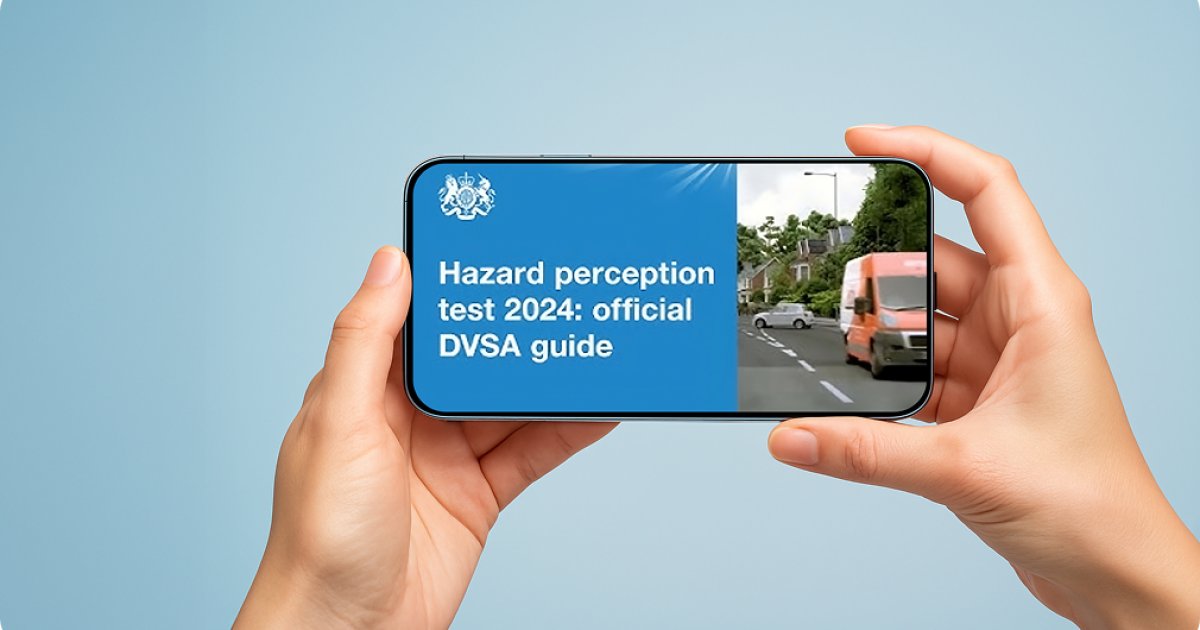
The Hazard Perception Test is one of the two parts of the UK driving theory test — and it's where many learners lose marks unnecessarily. Understanding how hazards develop and when to click can make the difference between passing and failing.
This guide explains how the test works and gives you proven tips to score higher.
🧠 How the Hazard Perception Test Works
- You'll watch video clips showing real driving situations
- Each clip contains at least one developing hazard
- One clip includes two developing hazards
- You score up to 5 points per hazard
- The faster you spot the developing hazard, the higher your score
⚠️ Clicking too often or randomly results in zero points for that clip.
👀 What Is a "Developing Hazard"?
A developing hazard is something that:
- Is moving or about to move
- Causes you to slow down, change direction, or stop
Examples:
- A pedestrian stepping into the road
- A car pulling out of a junction
- A cyclist swerving around a parked vehicle
✅ Top Hazard Perception Test Tips
1. Click Early - But Not Too Early
You should click when the hazard starts to develop, not when it first appears.
💡 Tip: If you click too early (before it becomes a hazard), you'll score zero.
2. Use the "Two-Click Method"
A safe technique many learners use:
- Click once when you first notice a potential hazard
- Click again as it clearly develops
This helps you hit the scoring window without over-clicking.
3. Avoid Repeated or Random Clicking
- Clicking in a pattern or too frequently will invalidate your score
- Stay calm and deliberate with each click
4. Look Far Ahead, Not Just at the Car in Front
Scan:
- Pavements and crossings
- Junctions and side roads
- Parked vehicles
- Pedestrians, cyclists, and animals
Hazards often develop from the sides, not straight ahead.
5. Expect Hazards in Everyday Situations
Common test scenarios include:
- School zones
- Busy town centres
- Rural roads
- Dual carriageways
- Poor weather conditions
Always assume something could happen.
6. Watch the Road, Not the Score
You won't see your score during the test - focus fully on the clip and drive as if you were really there.
7. Practise with DVSA-Style Video Clips
Practising with realistic clips helps you:
- Learn timing
- Improve anticipation
- Reduce anxiety on test day
Avoid cartoon-style clips - they don't reflect the real test.
❌ Common Mistakes to Avoid
- Clicking when you see every parked car
- Reacting too late
- Panic-clicking
- Ignoring pedestrians and cyclists
🎯 Pass Mark Reminder
For car and motorcycle tests:
- Total score: 75
- Pass mark: 44
You must pass this section and the multiple-choice test.
The Hazard Perception Test isn't about fast clicking - it's about anticipation and awareness. Train your eyes to spot danger early, stay calm, and practise regularly.
Master this skill, and you'll be one big step closer to passing your UK driving theory test 🚗✅
All You Need In One App
START PRACTISINGAlready passed your theory? Swap your practical driving test date for a sooner one — free, and without losing your place in the queue.